Introduction
Lake Turkana National Parks—comprising Sibiloi National Park, Central Island National Park, and South Island National Park—form one of the most extraordinary protected areas in Africa and one of the eight UNESCO World Heritage Sites in Kenya.
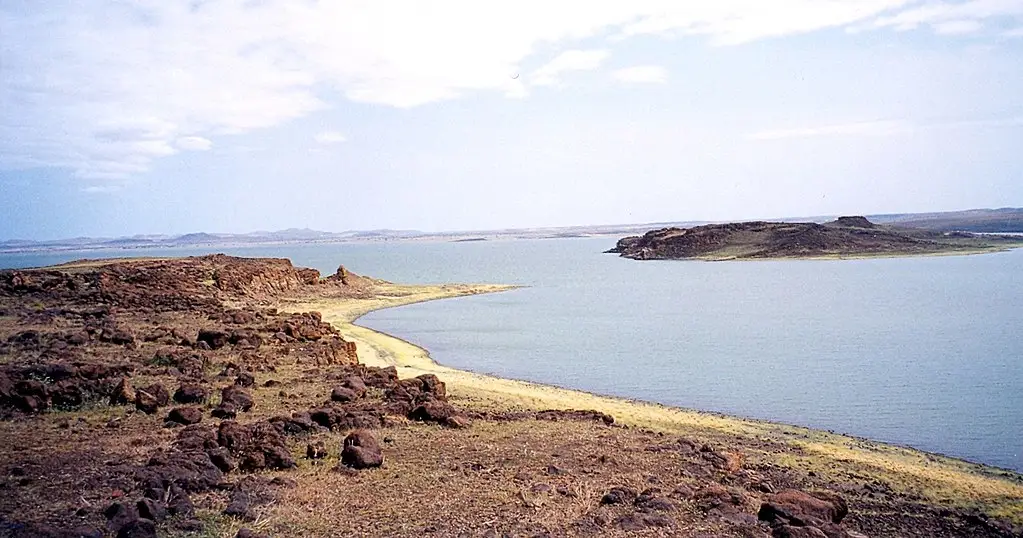
Straddling the remote, semi-arid expanse of northern Kenya, these parks sit around the world’s largest permanent desert lake: Lake Turkana, famously known as “The Jade Sea” for its majestic turquoise waters.
This region is of global importance. Its vast fossil fields at Koobi Fora have yielded groundbreaking discoveries about human evolution, including the remains of Homo habilis, Homo rudolfensis, and the iconic Homo erectus (also known as the Turkana Boy).
The volcanic landscapes, crocodile nurseries, desert-adapted wildlife, and ancient cultures combine to form a travel experience unlike any other in Kenya.
This article provides a guide, including history, wildlife, geology, culture, accommodation, activities, itineraries, conservation challenges, and practical travel information—ensuring you have everything needed to plan an unforgettable expedition to Kenya’s northern frontier.
Overview Of Lake Turkana And Its National Parks
Lake Turkana stretches more than 250 km, making it the longest lake in Kenya and the largest desert lake in the world. Its waters are fed primarily by the Omo River in Ethiopia, and the lake has no outlet—creating a fragile, closed ecosystem.
The Lake Turkana National Parks consist of:
- Sibiloi National Park (1,570 km²) – World-renowned for paleoanthropology, fossils, and desert wildlife.
- Central Island National Park (5 km²) – A volcanic island with active craters, steaming vents, and massive crocodile breeding grounds.
- South Island National Park (39 km²) – A remote volcanic island known for birdlife, lava landscapes, and serenity.
Together, these parks protect:
- Unique desert-adapted fauna and flora
- Vital breeding sites for Nile crocodiles
- Important migratory bird routes
- Volcanic and geological formations
- Globally significant fossil deposits
- Indigenous communities and ancient cultures
Because of this outstanding values, the area was declared a UNESCO World Heritage Site in 1997.
A Deep Dive Into The Three Parks
Sibiloi National Park: Cradle of Humankind
Geography And Landscape
Sibiloi lies on the northeastern shores of the lake, offering a mix of:
- Open desert scrub and grassland
- Volcanic outcrops
- Sandy beaches
- Ancient petrified forests
It feels raw, untouched, and almost prehistoric.
The Koobi Fora Region
Koobi Fora is the crown jewel of Sibiloi and one of the world’s most important fossil sites. More than 200 hominid fossils and thousands of prehistoric animal fossils have been uncovered here.
Key finds include:
- Turkana Boy (Homo erectus) – almost a complete skeleton
- Fossils of early tool-makers
- Remains of giant prehistoric turtles, crocodiles, and elephants
- Australopithecus and Paranthropus species
These discoveries revolutionized modern understanding of human evolutionary history.
Wildlife In Sibiloi
Though largely desert, Sibiloi supports surprising wildlife, including:
- Grevy’s zebra
- Beisa oryx
- Greater kudu
- Gerenuk
- Cheetah
- Striped and spotted hyena
- Jackal species
- Hippos along the lake
The region is also home to diverse birdlife, especially near water sources.
Cultural Significance
Communities around Sibiloi include:
- Turkana – pastoralists with deep connections to their livestock
- Gabra – camel herders
- Rendille – nomadic herders with rich traditions
- El Molo – Kenya’s smallest community, traditionally fishermen
Interacting with these communities adds depth to any visit.
Central Island National Park: The Island of the Crocodiles
A black volcanic island rising from the middle of Lake Turkana, Central Island is one of the most dramatic landscapes in Kenya.
Volcanic Features
The island contains three active volcanic craters, each with its own crater lake:
- Crocodile Lake – major breeding site for Nile crocodiles
- Flamingo Lake – often pink with flamingos
- Tilapia Lake – hosts several fish species
The island’s terrain features:
- Black lava beaches
- Steaming fumaroles
- Sharp volcanic ridges
- Pristine, surreal landscapes
Crocodile Breeding Grounds
Central Island is one of Africa’s most important breeding grounds for Nile crocodiles. Thousands of crocodiles hatch every year in protected nesting sites around the crater lakes.
Birdlife
The island’s bird species include:
- Flamingos
- African skimmers
- Gulls
- Herons
- Cormorants
- Migratory species
It’s a paradise for ornithologists.
Activities
- Hiking to crater rims
- Boat excursions
- Crocodile viewing
- Photography
- Birdwatching
South Island National Park: The Silent Wilderness
The South Island is the least visited of the three parks and offers absolute serenity for explorers seeking solitude.
Landscape
Covered in volcanic ash, lava rock, and sparse vegetation, the island’s raw beauty makes it ideal for nature lovers and photographers.
Wildlife
Though wildlife is limited, visitors may encounter:
- Hippos
- Crocodiles
- Monitor lizards
- Snakes
- A rich diversity of birds
Birdwatching
Migratory birds visit seasonally, turning the island into an important stopover site.
The Perfect Escape
The South Island is ideal for adventurous travellers seeking isolation and untouched nature.
History And Anthropology
Lake Turkana: A Geological Marvel
The lake lies in the Great Rift Valley, surrounded by volcanic landforms created millions of years ago. Its alkalinity supports unique flora and fauna that have adapted to harsh conditions.
Koobi Fora: Unlocking Human Origins
The Koobi Fora deposits date back 4 million years, preserving:
- Stone tools
- Early human footprints
- Fossils of species that shaped human evolution
Excavations continue today, making Koobi Fora a must-see destination for anthropology enthusiasts.
Wildlife, Birds, And Marine Life
Mammals
Despite the harsh climate, mammals have adapted to survive:
- Giraffe (occasionally in surrounding areas)
- Gazelles
- Hyenas
- Jackals
- Hippos
- Crocodiles
Reptiles
Lake Turkana hosts:
- The world’s largest concentration of Nile crocodiles
- Monitor lizards
- Various snake species
Birds
Over 350 bird species have been recorded around the lake, including:
- Flamingos
- Palearctic migrants
- Gulls and terns
- Herons and egrets
- Fish eagles
- Waders
Fish
Lake Turkana supports:
- Nile perch
- Tilapia
- Tiger fish
- Catfish
- Several endemic fish species
Things To Do In Lake Turkana National Parks
Explore Koobi Fora
Visit the fossil sites and learn about paleoanthropology through guided tours.
Boat Trips To The Islands
Trips allow access to:
- Central Island
- South Island
Expect breathtaking scenery and wildlife encounters.
Hiking And Crater Exploration
The volcanic islands offer some of Kenya’s most unique hikes.
Photography
Capture:
- Turquoise waters
- Volcanic formations
- Cultural portraits
- Desert wildlife
- Dramatic sunsets
Cultural Visits
Learn about local traditions, rituals, fishing techniques, and pastoral lifestyles.
Fishing
Sport fishing is possible on the lake (with permits).
Camping
Remote camping offers immersive wilderness experiences.
Best Time To Visit Lake Turkana
Dry Season (July–October)
- Best for wildlife
- Cooler temperatures
- Clear skies
December–March
- Hot but good for crater hikes
- Good for cultural tours
Rainy Season (April–June)
- Roads may be difficult
- Fewer visitors, more solitude
Temperatures often exceed 35°C–40°C, so plan accordingly.
How To Get To Lake Turkana
By Road
A 4×4 is essential. Major routes include:
- Nairobi → Isiolo → Marsabit → North Horr → Sibiloi
- Nairobi → Maralal → Baragoi → Loyangalani
- Lodwar → Kalokol → Sibiloi
By Air
Charter flights can land at:
- Sibiloi Airstrip
- Loiyangalani
- Lodwar Town Airstrip
Section 8: Accommodation Options
Inside The Parks
- KWS Bandas in Sibiloi
- Alia Bay Campsite
- South Island & Central Island: camping only
Nearby Towns
- Oasis Lodge (Loiyangalani)
- Palm Shade Camp
- Eliye Springs Resort
Travellers should carry sufficient supplies due to the limited infrastructure.
Sample Itineraries
3-Day Itinerary
Day 1: Fly or drive to Loiyangalani, cultural visit
Day 2: Boat trip to Central Island
Day 3: Sibiloi fossil sites, return
5-Day Itinerary
Includes Sibiloi safari, Koobi Fora, Central Island, and cultural experiences.
7-Day Expedition
A full exploration including the South Island, multiple communities, and fossil-rich regions.
Travel Tips
- Carry at least 4–6 liters of water per person per day
- Bring sun protection and hats
- Avoid night travel
- Travel with a guide
- Respect local communities
- Bring recovery gear for your vehicle
- Cash is essential
- Carry power banks and solar chargers
Conservation Challenges
- Climate change
- Reduced inflow from the Omo River
- Overfishing
- Human-wildlife conflict
- Limited funding
Efforts by KWS, researchers, and community groups aim to protect this unique ecosystem.
Conclusion
Lake Turkana National Parks offer a rare blend of:
- Ancient fossils
- Dramatic volcanic landscapes
- Indigenous cultures
- Desert wildlife
- Surreal natural beauty
A journey here is a journey back in time—to the birthplace of humanity and one of the most dramatic wilderness areas in Africa.
For adventurous tourists seeking untouched landscapes, powerful history, and unforgettable encounters, Lake Turkana is an absolute must-visit destination.